

Be Part of Canada’s Premier Stormwater and Erosion and Sediment Control Conference
ONLINE REGISTRATION IS NOW CLOSED
Walk-in registrations will be accepted on
Tuesday, March 31 and Wednesday, April 1, 2026.
2026 WALK-IN REGISTRATION RATES*
| 2-Day Full Conference Pass: Walk-in | $560 |
| 2-Day Full Conference Pass: Walk-in (Public Sector Rate) | $290 |
| 1-Day Conference Pass: Walk-in | $290 |
| 1-Day Conference Pass: Walk-in (Public Sector Rate) | $155 |
*All prices are subject to Eventbrite service and processing fees plus applicable taxes.
2026 CONFERENCE SCHEDULE
| DATE | TIME | |
|---|---|---|
| Pre-Conference Training | March 30, 2026 | 8:15 a.m. to 4:00 p.m. |
| Conference Day 1 | March 31, 2026 | 9:00 a.m. to 4:15 p.m. – Presentations 8:00 a.m. to 6:30 p.m. – Trade show 4:15 p.m. to 6:30 p.m. – Networking reception |
| Conference Day 2 | April 1, 2026 | 9:00 a.m. to 4:15 p.m. – Presentations 8:00 a.m. to 3:00 p.m. – Trade show |
Conference Passes: Details
2-DAY FULL CONFERENCE PASS
Full admission to days 1 and 2 of the Source to Stream Conference, including presentations, lunch, refreshments and the networking reception.
Early Bird Rate (ends February 21, 2026): $480
Regular Rate: $540
Public Sector, Sponsor/Exhibitor, Student Rate*: $270
Walk-in Rate: $560
*If eligible, please contact sourcetostream@trca.ca to receive your discount code BEFORE purchasing passes.
1-DAY CONFERENCE PASS
Full admission to day 1 or 2 of the Source to Stream Conference, including presentations, lunch, and refreshments. The Conference Pass for day 1 also includes access to the networking reception.
Early Bird Rate (ends February 21, 2026): $240
Regular Rate: $270
Public Sector, Sponsor/Exhibitor, Student Rate: $135
Walk-in Rate: $290
*If eligible, please contact sourcetostream@trca.ca to receive your discount code BEFORE purchasing passes.
NETWORKING RECEPTION PASS
Admission to the Source to Stream Networking Reception, held on day 1, from 4:15 p.m. to 6:30 p.m.
Regular Rate: $35
Pre-Conference Training: Details
Monday, March 30, 2026
Pre-Conference Training Course:
ASSESSING THE VALUE, BENEFITS, AND COSTS OF NATURAL ASSETS FOR SUSTAINABLE MANAGEMENT
Date and Time: March 30, 2026 | 8:15 a.m. to 4:00 p.m.
Location: Pearson Convention Centre, 2638 Steeles Ave. E, Brampton, ON
Regular Rate: $325
Public Sector Rate*: $275
Registration includes continental breakfast, lunch, and morning and afternoon break refreshments.
*If eligible, please contact TRCA events at events@trca.ca to receive your discount code BEFORE purchasing passes.
Course Description:
Natural assets are the stock of natural resources or ecosystems (e.g., forests, wetlands, grasslands and streams) that are relied upon and managed by a municipality or other organisation for the sustainable provision of one or more services to local communities.
Natural assets are fundamental to human well-being and deliver vital services – such as stormwater management and recreation – to communities. Yet, despite their significance, these assets are frequently overlooked in infrastructure planning and investment decision-making.
This neglect often stems from the mistaken belief that nature will remain resilient and continue to provide valuable services without intentional care or investment. As a result, natural assets are commonly undervalued and receive insufficient priority in resource allocation decisions.
This course explores how the effective assessment of natural assets – and the benefits they provide – can inform sustainable, long-term strategies for their protection, management, and restoration.
By recognizing the value of these assets, participants will learn how to apply practical tools and approaches that support resilient ecosystems and communities.
This course offers a comprehensive introduction to natural assets and the critical services they provide to communities. Participants will learn practical approaches for assessing the value of these assets and the benefits they deliver, supported by real-world examples of successful valuation method applications.
The course also introduces the concept of life cycle costing for natural asset management and restoration, equipping learners with hands-on tools to apply valuation and costing techniques in practice. By the end, participants will be prepared to integrate natural asset valuation into strategic planning and decision-making processes.
Needs Assessment:
- For municipalities: need to meet government requirements for natural assets/green infrastructure (O. Reg. 588/17)
- For any professionals and organizations involved in natural asset management: lack of frameworks, data and approaches to incorporate natural assets in asset management planning or decision-making process in general, specifically lack of estimates for life cycle costing for natural assets
- For municipal staff and other organizations: Need to demonstrate value to taxpayers for investing in natural asset protection and restoration
Course Learning Objectives:
- Understand the importance of recognizing and accounting for the value of natural assets and the essential services they provide.
- Explore various valuation techniques and their applications in assessing natural asset and ecosystem service value.
- Develop the skills to build a compelling business case for the protection and restoration of natural assets.
- Gain insight into frameworks and data sources for estimating life cycle costs associated with natural asset management and restoration.
- Learn how to interpret and act on collected data to inform next steps in asset management planning, financial planning, and decision-making.
Course Outline:
| TIME | ACTIVITY & DESCRIPTION | PRESENTER/FACILITATOR |
|---|---|---|
| 8:15 a.m. to 9:00 a.m. | Registration/Breakfast | |
| 9:00 a.m. to 9:15 a.m. | Introductions, Housekeeping, Course Overview | Tatiana Koveshnikova, Credit Valley Conservation (CVC) |
| 9:15 a.m. to 9:35 a.m. | Introduction into Natural Assets
|
Joanna Klees van Bommel, Toronto and Region Conservation Authority (TRCA) |
| 9:35 a.m. to 9:55 a.m. | Natural Asset Valuation I
|
Tatiana Koveshnikova, CVC |
| 9:55 a.m. to 10:15 a.m. | Natural Asset Valuation II
|
Tatiana Koveshnikova, CVC |
| 10:15 a.m. to 10:30 a.m. | Break | |
| 10:30 a.m. to 11:00 a.m. | Activity I: Comparing AMP and ESV valuations
|
Tatiana Koveshnikova, CVC Joanna Klees van Bommel, TRCA |
| 11:00 a.m. to 11:40 a.m. | Valuing Natural Assets at Different Scales (Case Studies in Southern Ontario)
|
|
| 11:40 a.m. to 12:00 p.m. | Q&A and Discussion | All |
| 12:00 p.m. to 1:00 p.m. | Lunch and Networking | |
| 1:00 p.m. to 1:40 p.m. | Costing Natural Assets
|
Joanna Klees van Bommel, TRCA |
| 1:40 p.m. to 2:10 p.m. | Natural and Enhanced Asset Lifecycle and Replacement Costing Framework and Database for Sothern Ontario (Presentation and Demo) | Tatiana Koveshnikova, CVC |
| 2:10 p.m. to 2:25 p.m. | Break | |
| 2:25 p.m. to 3:30 p.m. | Activity II: Natural Asset Life-cycle Costing (break-out session by natural asset type)
|
Facilitators: CVC and TRCA |
| 3:30 p.m. to 3:55 p.m. | Report Back and Discussion
|
Everyone |
| 3:55 p.m. to 4:00 p.m. | Closing Remarks and Course Evaluation | CVC |
Course Instructors:

Tatiana Koveshnikova, Credit Valley Conservation (CVC)
Tatiana Koveshnikova is an ecological economist with over 15 years of experience in the valuation of natural capital and ecosystem services. As a Program Manager for the Natural Assets and Ecosystem Services program at Credit Valley Conservation (CVC), Tatiana leads the development of projects and tools for natural asset planning and management to support CVC’s and municipal partners’ needs. She also holds a professional certificate in Asset Management Planning.

Joanna Klees van Bommel, Toronto and Region Conservation Authority (TRCA)
Joanna Klees van Bommel is a research scientist in Watershed Planning and Ecosystem Science at Toronto and Region Conservation Authority (TRCA). She has been working on the intersection of green infrastructure and asset management planning since 2022, developing methods for natural asset management and delivering training on asset inventories and valuation. Joanna also leads research relating to greenspace monitoring and management. Her background is in wildlife ecology and spatial analysis.
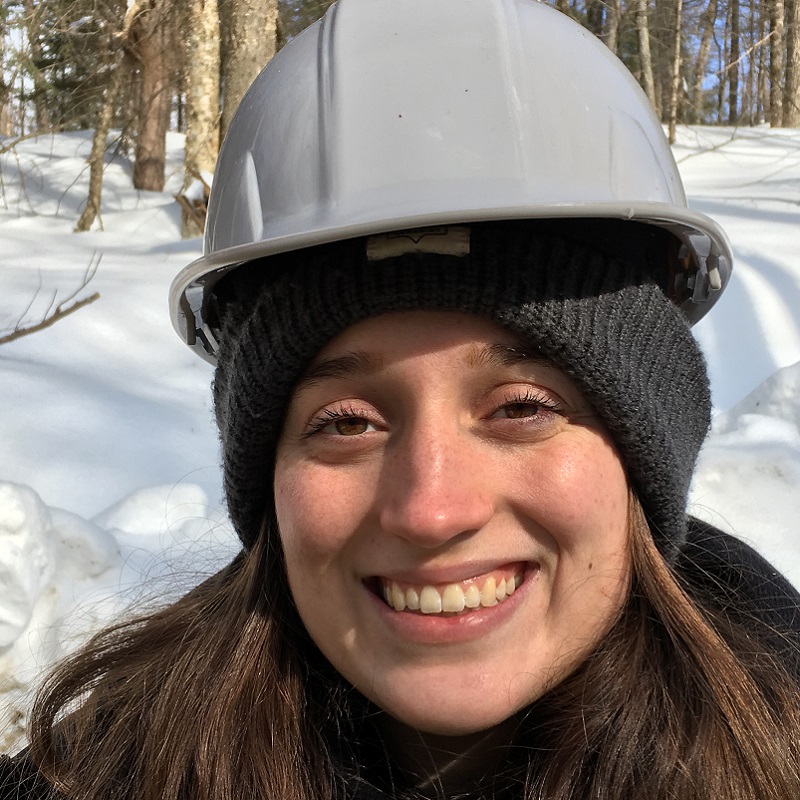
Jackie DeSantis, Toronto and Region Conservation Authority (TRCA)
Jackie De Santis is a research scientist in Watershed Planning and Ecosystem Science at Toronto and Region Conservation Authority (TRCA). She has extensive experience leading multi-partner initiatives in natural and green infrastructure asset management, urban forestry, and ecosystem services. Jackie’s background is in forestry, and she holds a Registered Professional Forester designation.

Owen Royall, Credit Valley Conservation (CVC)
Owen Royall is a technician in the Natural Assets and Ecosystem Services division with Credit Valley Conservation (CVC). Since 2022, he has been working on assisting municipalities and other property owners with aspects of natural asset management, including ecosystem service valuation, replacement cost, condition assessment, and hazard analysis. His education background focused on wetland evaluation based on ecological function and has a firm knowledge base in carbon sequestration assessments.
Guest Speakers:
-
- Tara Gaade and Natalie Green, Niagara Peninsula Conservation Authority (NPCA)
- TBD, Peel Region